Sale!

Description

Aggregate Exposed Concrete Look Porcelain Tile

Aggregate captures the popular exposed aggregate concrete look, with pebbles set through the surface. Warm earthy tones mix with cooler silver shades for a modern, versatile tile that works inside and out.

Which finish do I choose?

  • Matt SmoothGrip: smooth, non-shiny surface for floors, walls and outdoor areas. Available in 300×600 and 600×600 in White, Light Grey and Dark Grey.

Sizes and pebble pattern

Aggregate is available in two sizes: 300×600 and 600×600.

Aggregate is rectified in every size, so the pebbled surface flows across fine grout joints.

Expect a V2 moderate variation, with the mix of warm and silver pebbles changing from tile to tile.

Indoors and outdoors

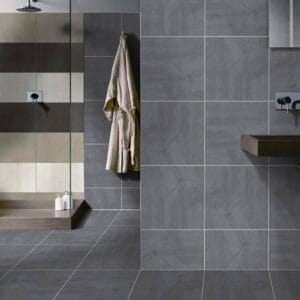
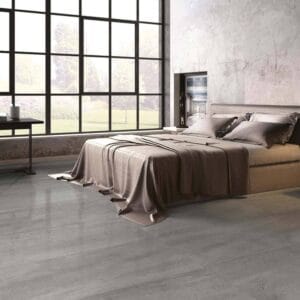
Aggregate covers floors and walls in homes and light commercial spaces, and the Matt SmoothGrip tiles can go outside too.

Specifications

  • Material: Porcelain
  • Look: Exposed aggregate concrete
  • Colours: White, Light Grey and Dark Grey
  • Sizes: 300×600 and 600×600
  • Finish: Matt SmoothGrip
  • Edge: Rectified
  • Variation: V2 – Moderate
  • Suitable for: Floors, walls and outdoor areas

Check the pebble mix at home. Order an Aggregate sample to see the warm and silver tones against your fittings.

Finish the job with our Tiles, Bathroom Vanities and Bathroom Tapware.

Add the Aggregate to your cart above.

Additional information

Tile Colour

Dark Grey, Light Grey, White

Tile Size

300×600, 600×600

Tile Finish

Matt SmoothGrip, Lappato

Aggregate

$34.00m²

Per m²

Aggregate brings the popular exposed aggregate concrete look to your floors, walls and outdoor areas. Choose from White, Light Grey and Dark Grey in 300×600 and 600×600, in Matt SmoothGrip.


Get A Sample

SKU Aggregate Categories , , Tag
Builders Warehouse Online

Care and Maintenance

Tiles ask very little, and the routine matters more than the product. Regular sweeping and washing stops grit building up, protects the surface finish and makes a deep clean far less of a job.

Based on the guidance in AS 3958.1–2007, Appendix C. General advice only — tile types, finishes and installation conditions vary. If you are not sure what suits your tiles, check with a qualified tiler.

Everyday cleaning
  • Sweep or vacuum before you mop. Loose grit is what scratches a floor, not foot traffic.
  • Mop with warm water and a pH-neutral, sulphate-free cleaner.
  • Rinse with clean water and do not let the cleaner dry on the tile — residue is what causes streaks and dulls a finish.
  • Wipe spills as they happen. Grout takes up a spill faster than the tile does.
Occasional deep clean
  • Use a high-alkaline detergent, above pH 9, for greasy build-up in kitchens and entries.
  • On textured or structured tiles, let the cleaner sit for a few minutes before scrubbing so it can work into the surface.
  • Steam or pressure cleaning can be used from time to time.
  • Always finish with a clean water rinse.
After a new floor is laid
  • Let the grout cure for as long as your tiler specifies before washing the floor properly.
  • A light film of grout haze is normal. It needs the right product to remove — ask your tiler rather than reaching for a household cleaner.
  • Keep mats and rugs off a new floor until the adhesive and grout have fully cured.
Keeping it that way
  • Mats at every external door, including wherever pets come in and out.
  • More cleaning product is not better. Over-applying leaves a residue that holds dirt.
  • Skip household soaps. They leave a film that reads as slippery and dull.
  • Felt pads under furniture legs, and lift rather than drag anything heavy.
  • If rinsing is awkward, use a no-rinse detergent instead of leaving residue behind.
Safe to use, and what to avoid

Safe to use

  • pH-neutral, sulphate-free cleaners for everyday use
  • Soft brushes and non-abrasive cleaning pads
  • High-alkaline detergent, occasionally, for grease
  • Proprietary abrasive cleaners on unglazed tile only

Avoid

  • Acidic cleaners — they attack grout and haze a glazed surface
  • Abrasive pads on glazed tile
  • Overusing high-alkaline detergent
  • Scrubbing machines fitted with coarse pads
  • Wax and oil-based polishes