
Sale!

Description

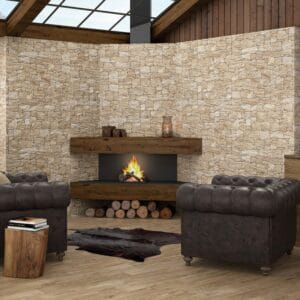
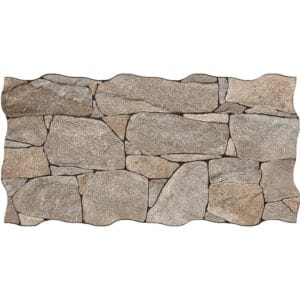
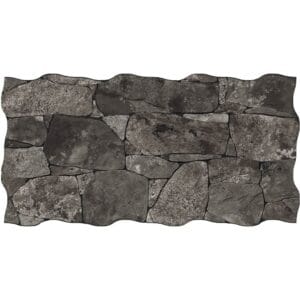
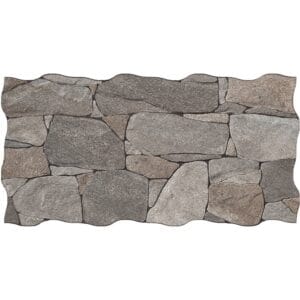
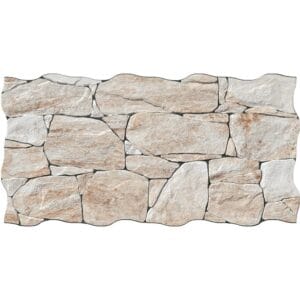
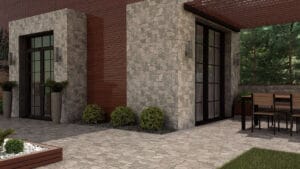
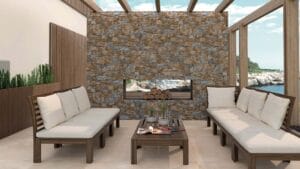
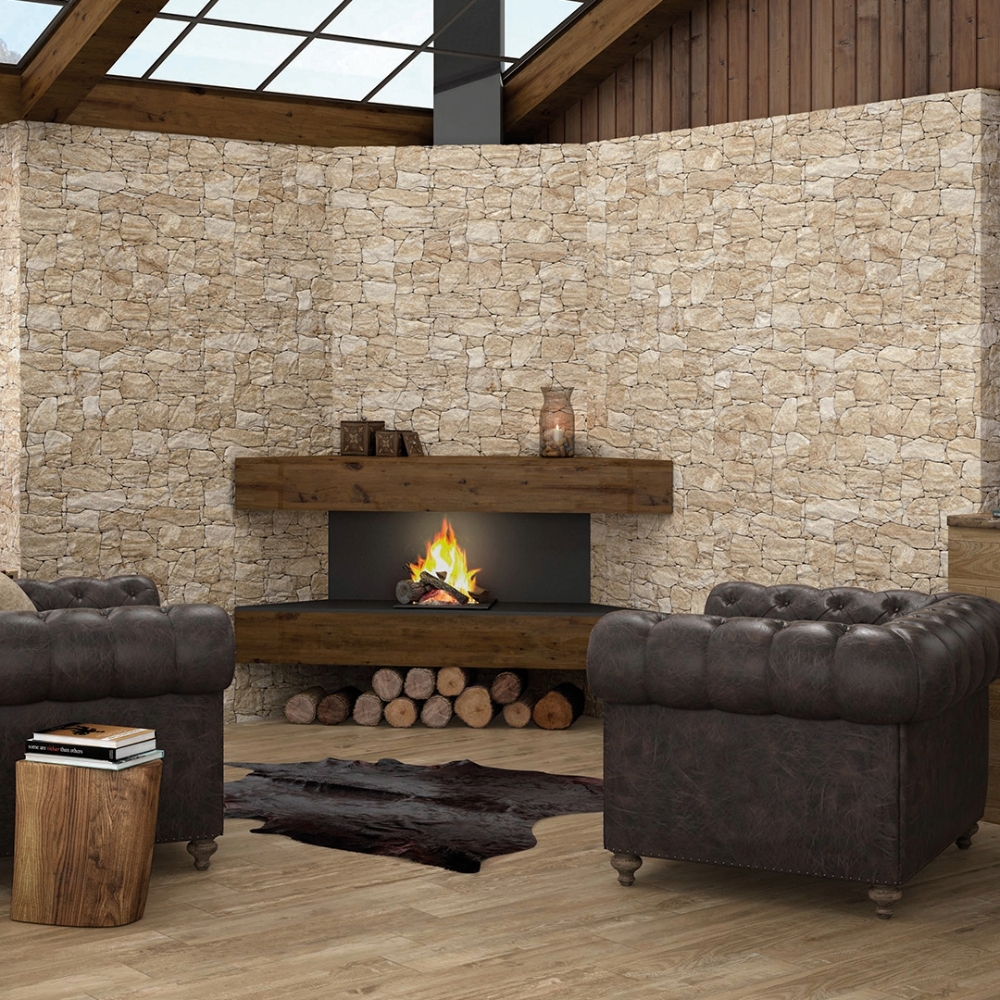
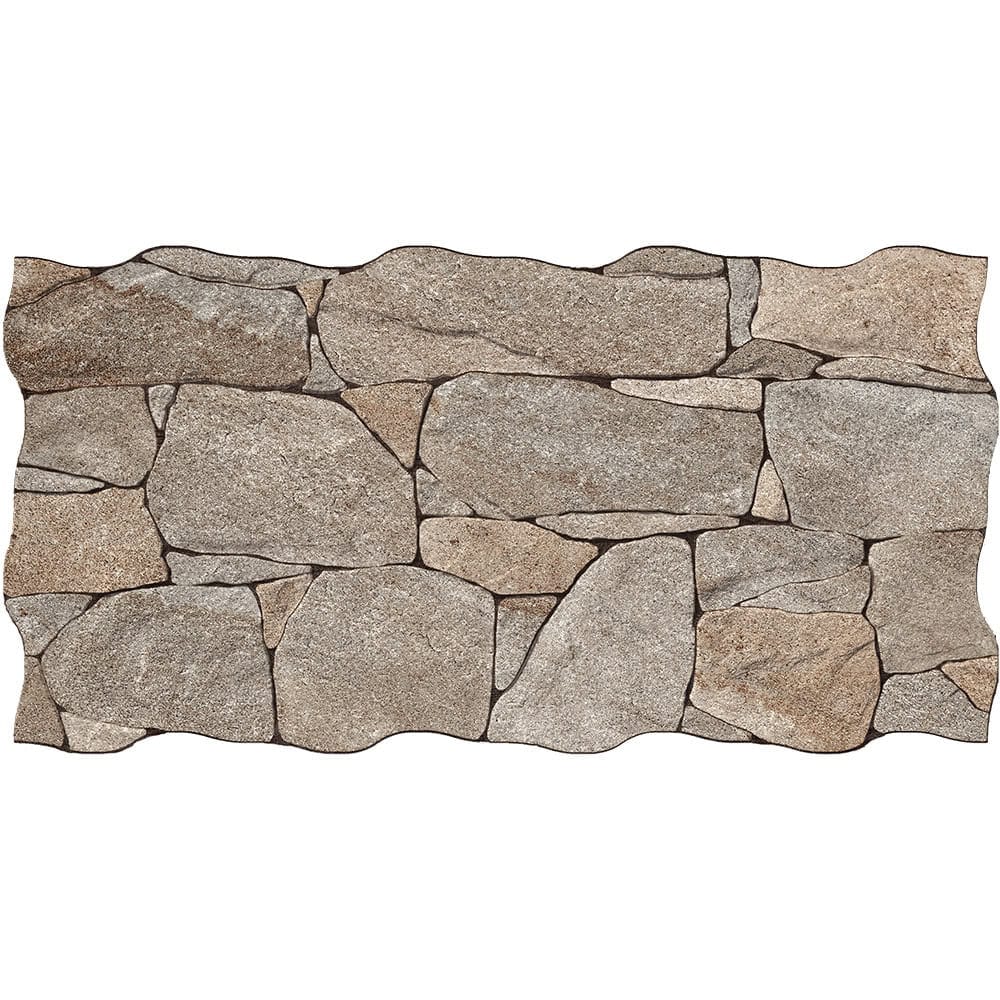
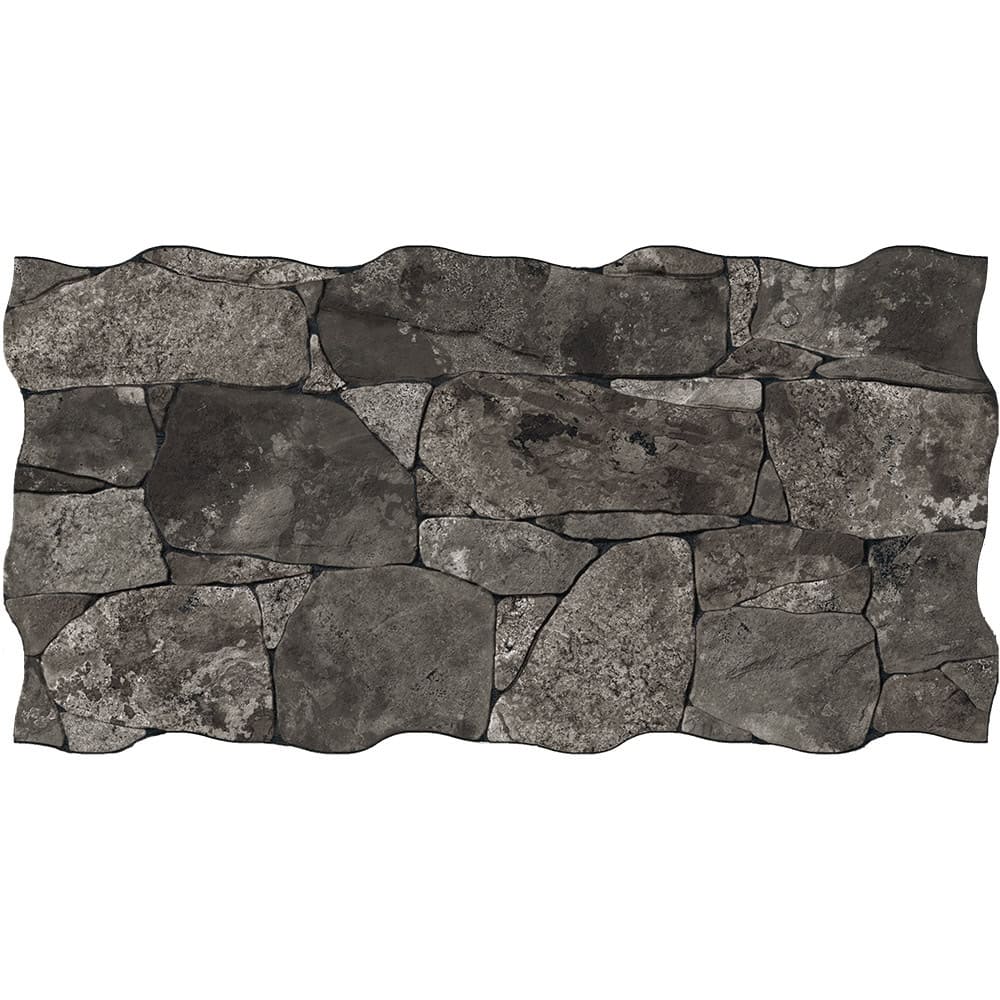
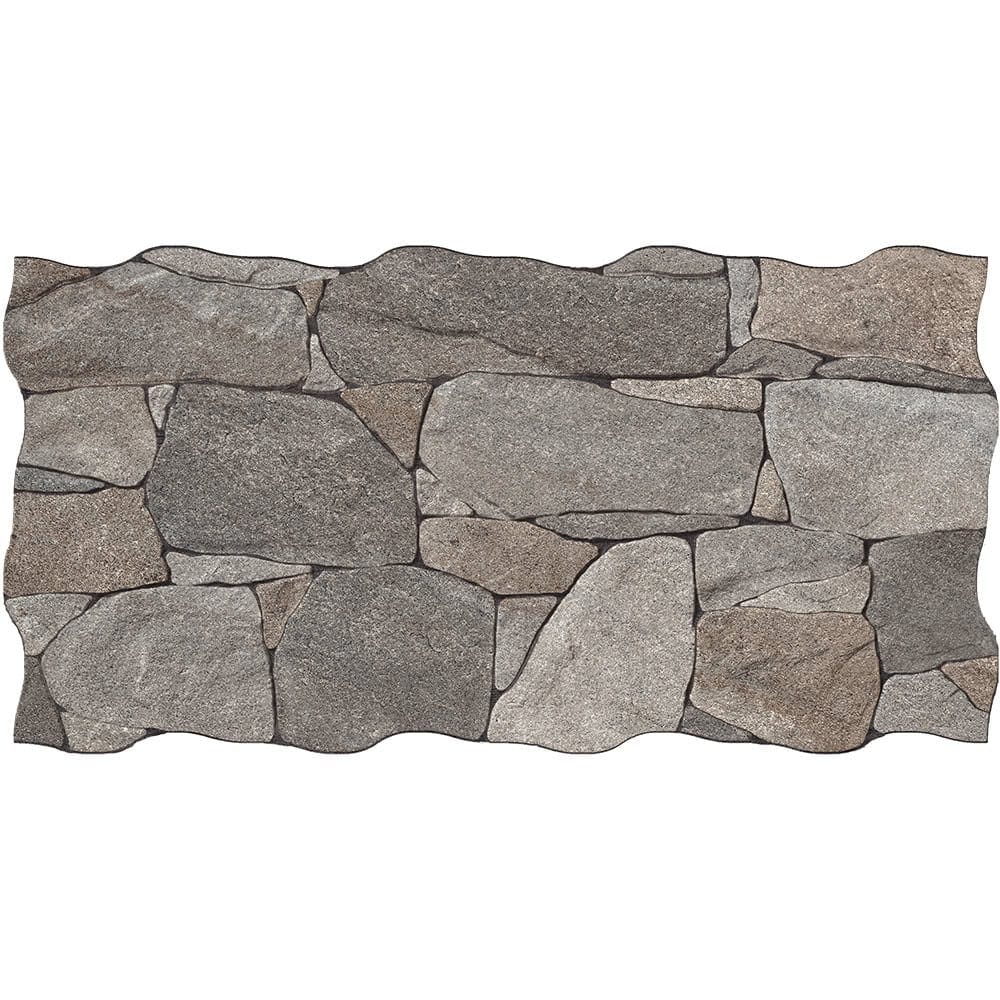
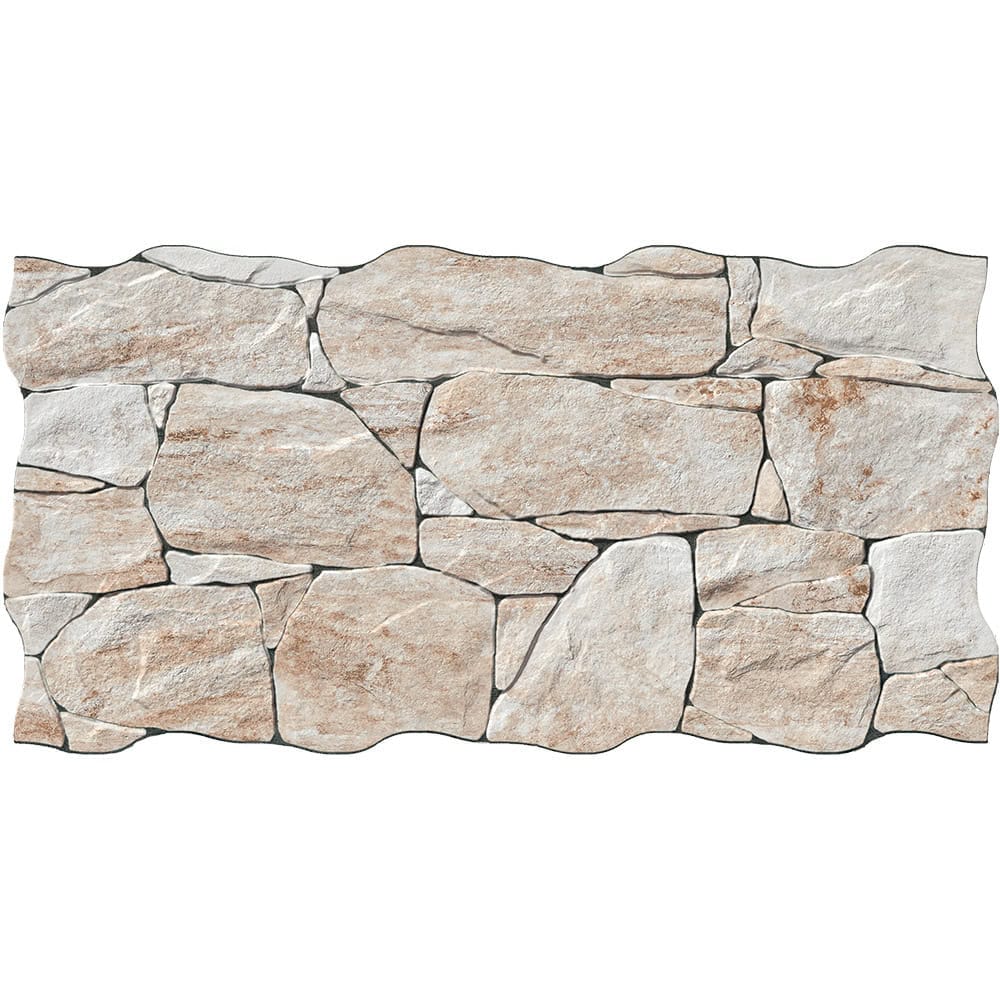
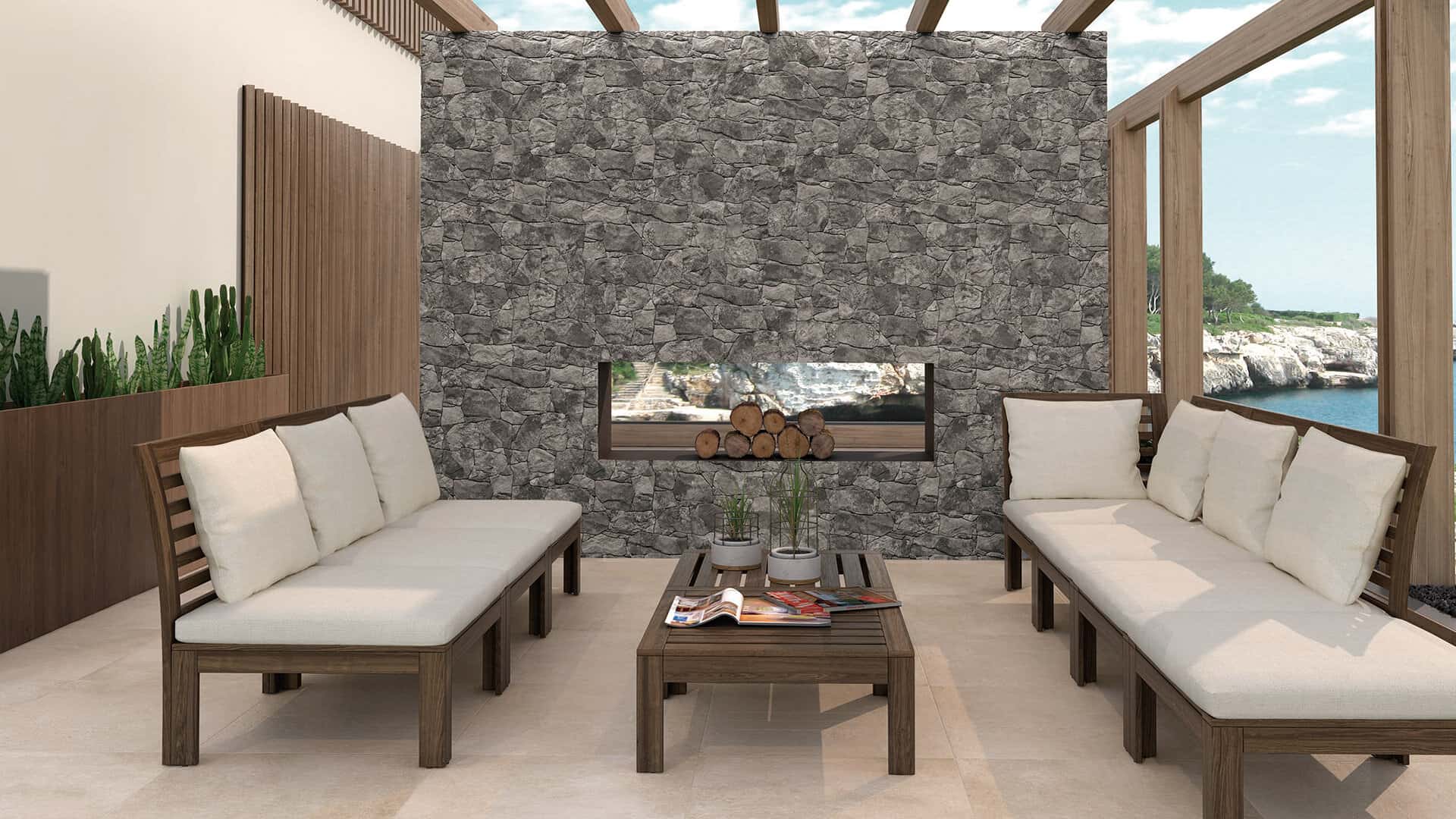
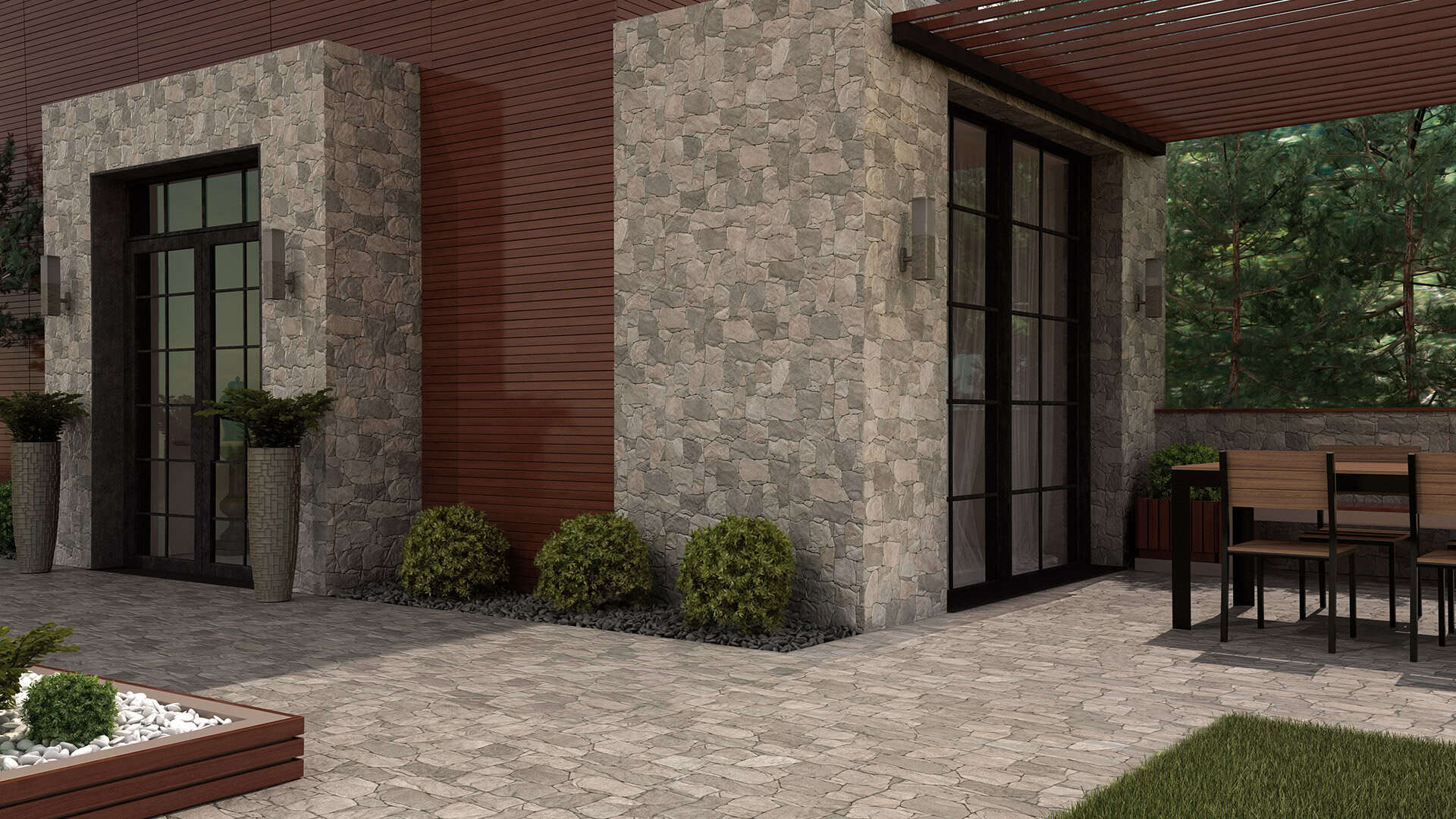
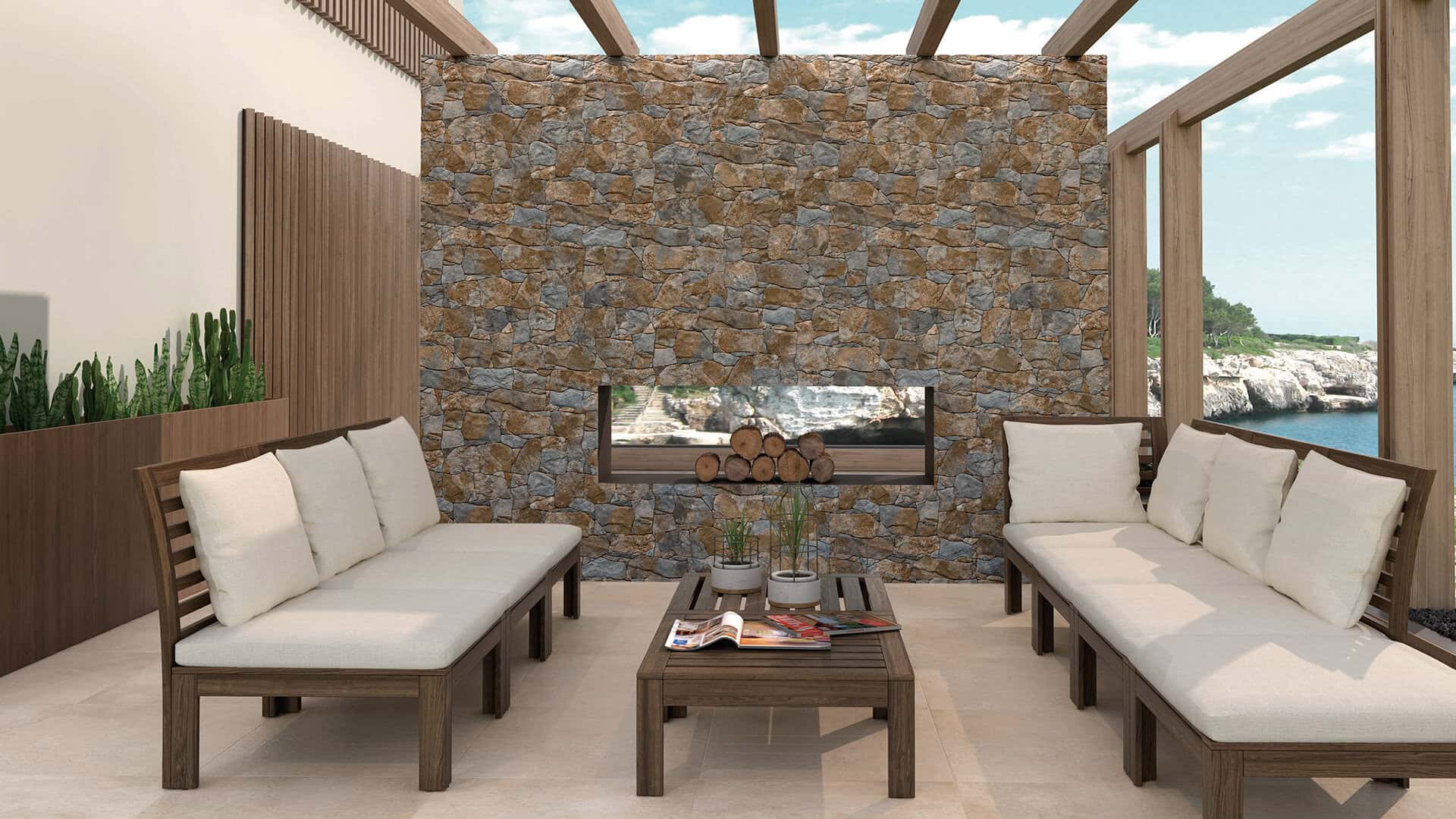
The Vulcano Dry-Stone Wall Tile recreates the natural texture and layered appearance of split rock in a durable porcelain tile. Its three-dimensional structured surface, earthy tones and interlocking edges create the cohesive look of dry-stacked stone, making it a striking alternative to natural stone for interior and exterior feature walls in residential and light commercial spaces.

Vulcano Dry-Stone Wall Tile specifications

  • Material: Porcelain
  • Design: Dry-stone look
  • Colours: Oxido, Beige, Dark, Gris and Sand
  • Size: 333 × 650mm
  • Finish: Structured
  • Suitable for: Interior and exterior walls
  • Edge: Cushioned, interlocking profile
  • Variation: V2 – Moderate
  • Product warranty: 10 years

Finish, edges and variation

The cushioned edges and interlocking profile help adjoining tiles visually connect across the wall, creating a continuous dry-stone appearance with fewer obvious joins.

The V2 moderate variation rating means noticeable differences in tone, texture and pattern should be expected between individual tiles. These variations are intentional and contribute to the natural character and depth of the finished wall.

Colours may also vary slightly between production batches and appear different when viewed on a screen. Request a sample where available and order enough tiles from the same batch to complete the entire area.

Coordinate the Vulcano range with our Tiles, Bathroom Vanities and Bathroom Tapware collections.

 

Additional information

Tile Colour

Dark, Oxido, Beige, Gris, Sand

Tile Size

333×650

Tile Finish

Structured

Vulcano Dry-Stone Wall Tile

$91.50

Per m²

Create a natural dry-stone feature wall with this structured porcelain tile, featuring layered relief, earthy colour variation and interlocking edges for a cohesive finish. Suitable for interior and exterior walls in residential and light commercial spaces. Available in Oxido, Beige, Dark, Gris and Sand in a 333 × 650mm size.


Get A Sample

SKU Vulcano Categories , ,
Builders Warehouse Online

Care and Maintenance

Tiles ask very little, and the routine matters more than the product. Regular sweeping and washing stops grit building up, protects the surface finish and makes a deep clean far less of a job.

Based on the guidance in AS 3958.1–2007, Appendix C. General advice only — tile types, finishes and installation conditions vary. If you are not sure what suits your tiles, check with a qualified tiler.

Everyday cleaning
  • Sweep or vacuum before you mop. Loose grit is what scratches a floor, not foot traffic.
  • Mop with warm water and a pH-neutral, sulphate-free cleaner.
  • Rinse with clean water and do not let the cleaner dry on the tile — residue is what causes streaks and dulls a finish.
  • Wipe spills as they happen. Grout takes up a spill faster than the tile does.
Occasional deep clean
  • Use a high-alkaline detergent, above pH 9, for greasy build-up in kitchens and entries.
  • On textured or structured tiles, let the cleaner sit for a few minutes before scrubbing so it can work into the surface.
  • Steam or pressure cleaning can be used from time to time.
  • Always finish with a clean water rinse.
After a new floor is laid
  • Let the grout cure for as long as your tiler specifies before washing the floor properly.
  • A light film of grout haze is normal. It needs the right product to remove — ask your tiler rather than reaching for a household cleaner.
  • Keep mats and rugs off a new floor until the adhesive and grout have fully cured.
Keeping it that way
  • Mats at every external door, including wherever pets come in and out.
  • More cleaning product is not better. Over-applying leaves a residue that holds dirt.
  • Skip household soaps. They leave a film that reads as slippery and dull.
  • Felt pads under furniture legs, and lift rather than drag anything heavy.
  • If rinsing is awkward, use a no-rinse detergent instead of leaving residue behind.
Safe to use, and what to avoid

Safe to use

  • pH-neutral, sulphate-free cleaners for everyday use
  • Soft brushes and non-abrasive cleaning pads
  • High-alkaline detergent, occasionally, for grease
  • Proprietary abrasive cleaners on unglazed tile only

Avoid

  • Acidic cleaners — they attack grout and haze a glazed surface
  • Abrasive pads on glazed tile
  • Overusing high-alkaline detergent
  • Scrubbing machines fitted with coarse pads
  • Wax and oil-based polishes