Sale!

Description

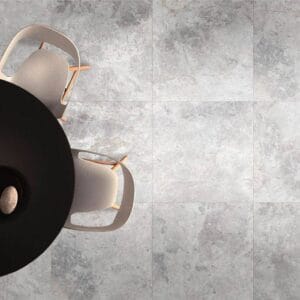
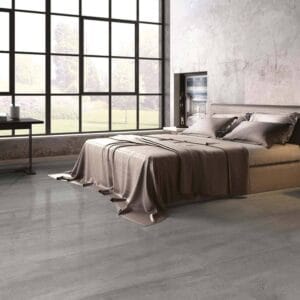
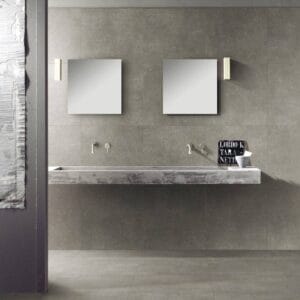
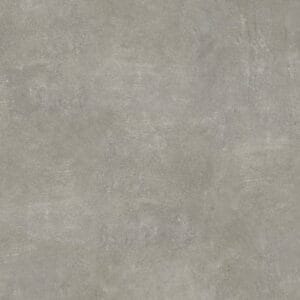
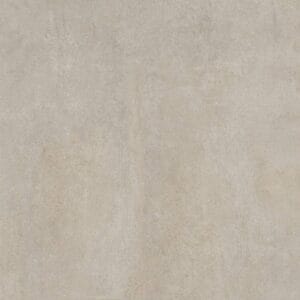
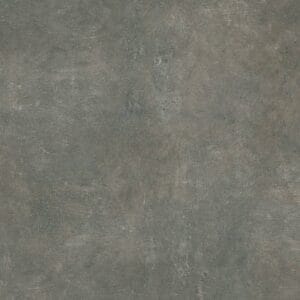
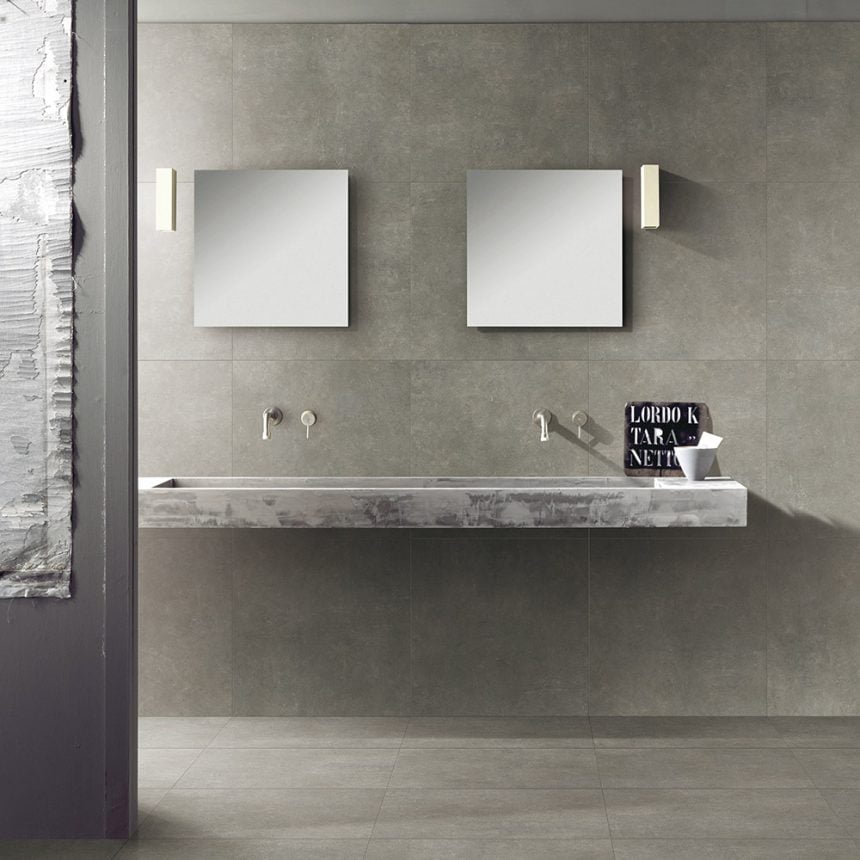
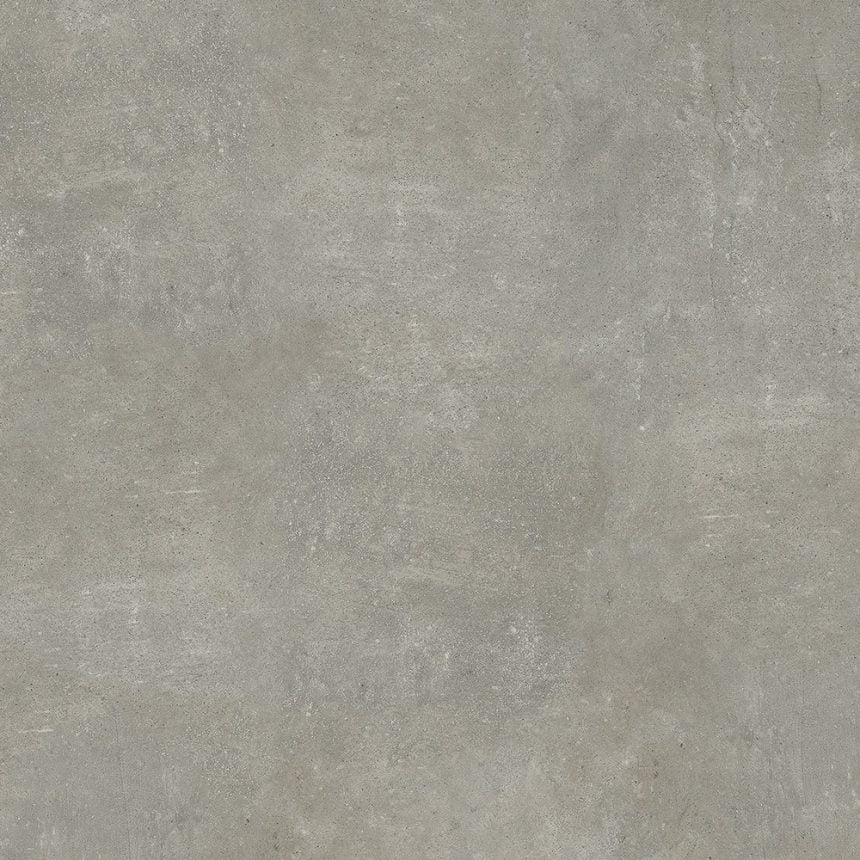
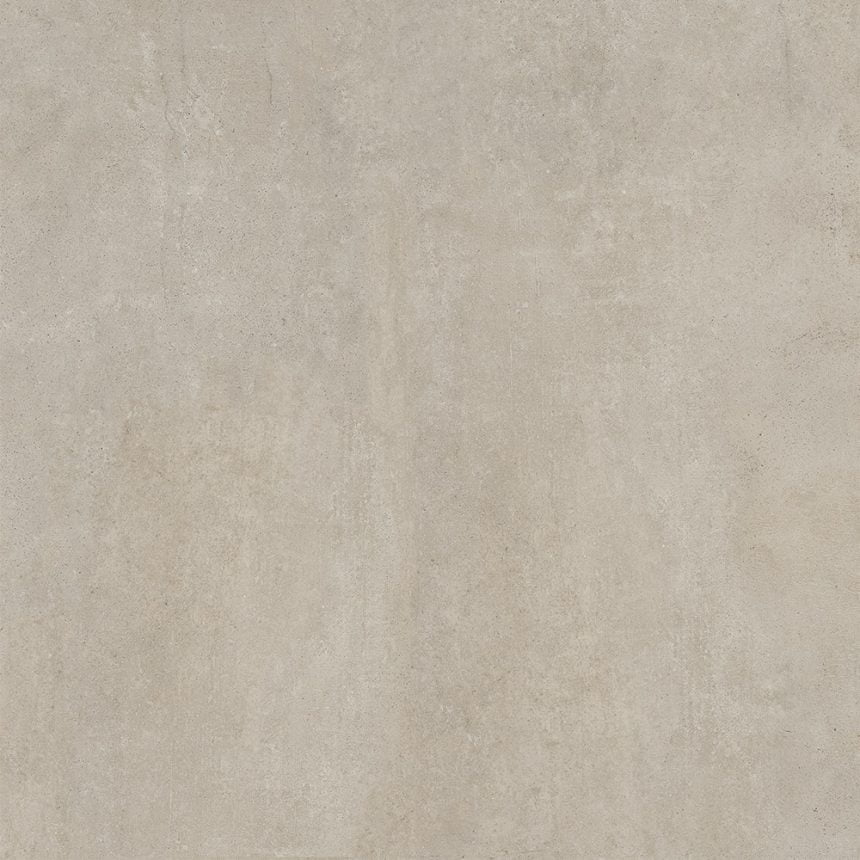
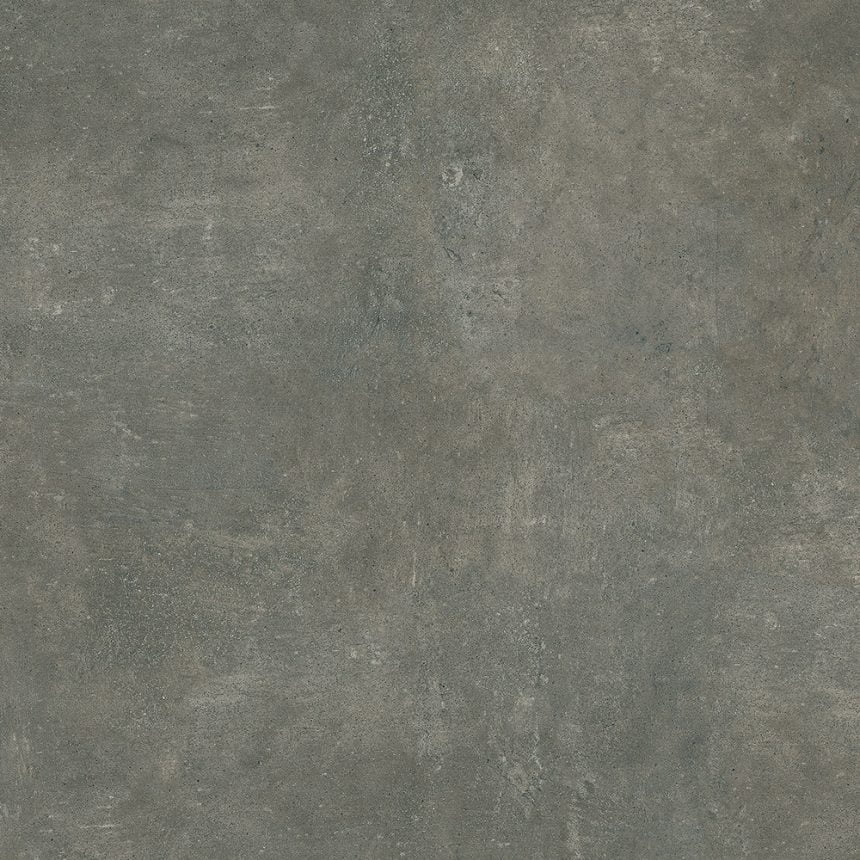
Beton is a premium porcelain tile with a concrete look finish, created for a more considered result. Powdery neutrals and a softly mottled surface deliver the pared-back character of poured concrete in an easy-to-coordinate format.

Beton is currently offered in Beige, Grey and Antracite. Beton sizes are 600X600. Beton finish choices are Matt. The live Beton options in this export include colours or formats retained after newer catalogue changes.

Beton specifications

  • Material: Porcelain
  • Design: Concrete look
  • Colours: Beige, Grey and Antracite
  • Sizes: 600X600
  • Finish: Matt
  • Suitable area: Floor and wall
  • Intended use: Indoor floors and walls. The current Matt variations are not presented as outdoor finishes.
  • Edge: Rectified edges
  • Variation rating: V1 – Low
  • Product warranty: 10 years

Finish, edges and variation

Beton uses rectified edges, meaning the tile is finished with a precise square edge. For Beton, this supports a tighter, more controlled grout joint and a clean grid when the substrate, layout and installation allow.

Beton has low variation, so pieces from the same production run should show only minimal visual differences. Before installing Beton, open several boxes and blend pieces across the layout so the finished surface distributes that movement naturally.

Keep Beton within the suitable area listed above rather than assuming every tile can be used outside. Confirm the exact Beton colour, size and finish against the intended installation before ordering.

Although Beton has a uniform or low-variation rating, shade and sizing can still shift between production batches, and screens can alter colour. Request a Beton sample where available, then order enough from one batch for the complete area.

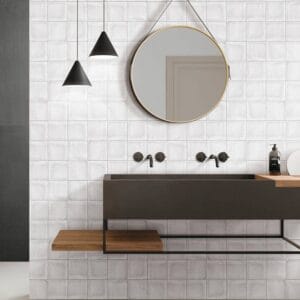
Coordinate Beton with our Tiles, Bathroom Vanities and Bathroom Tapware collections.
Additional information

Colours

Antracite, Beige, Grey

Sizes

600X600

Finish

Matt

Tile Colour

Antracite, Beige, Grey

Tile Size

600×600

Tile Finish

Matt

Beton

$29.00

Per m²

Powdery neutrals and a softly mottled surface deliver the pared-back character of poured concrete in an easy-to-coordinate format. Choose Beige, Grey and Antracite; listed formats include 600X600, with Matt finish options. Suitable for indoor floors and walls.


Get A Sample

SKU Beton Categories , , Tag
Builders Warehouse Online

Care and Maintenance

Tiles ask very little, and the routine matters more than the product. Regular sweeping and washing stops grit building up, protects the surface finish and makes a deep clean far less of a job.

Based on the guidance in AS 3958.1–2007, Appendix C. General advice only — tile types, finishes and installation conditions vary. If you are not sure what suits your tiles, check with a qualified tiler.

Everyday cleaning
  • Sweep or vacuum before you mop. Loose grit is what scratches a floor, not foot traffic.
  • Mop with warm water and a pH-neutral, sulphate-free cleaner.
  • Rinse with clean water and do not let the cleaner dry on the tile — residue is what causes streaks and dulls a finish.
  • Wipe spills as they happen. Grout takes up a spill faster than the tile does.
Occasional deep clean
  • Use a high-alkaline detergent, above pH 9, for greasy build-up in kitchens and entries.
  • On textured or structured tiles, let the cleaner sit for a few minutes before scrubbing so it can work into the surface.
  • Steam or pressure cleaning can be used from time to time.
  • Always finish with a clean water rinse.
After a new floor is laid
  • Let the grout cure for as long as your tiler specifies before washing the floor properly.
  • A light film of grout haze is normal. It needs the right product to remove — ask your tiler rather than reaching for a household cleaner.
  • Keep mats and rugs off a new floor until the adhesive and grout have fully cured.
Keeping it that way
  • Mats at every external door, including wherever pets come in and out.
  • More cleaning product is not better. Over-applying leaves a residue that holds dirt.
  • Skip household soaps. They leave a film that reads as slippery and dull.
  • Felt pads under furniture legs, and lift rather than drag anything heavy.
  • If rinsing is awkward, use a no-rinse detergent instead of leaving residue behind.
Safe to use, and what to avoid

Safe to use

  • pH-neutral, sulphate-free cleaners for everyday use
  • Soft brushes and non-abrasive cleaning pads
  • High-alkaline detergent, occasionally, for grease
  • Proprietary abrasive cleaners on unglazed tile only

Avoid

  • Acidic cleaners — they attack grout and haze a glazed surface
  • Abrasive pads on glazed tile
  • Overusing high-alkaline detergent
  • Scrubbing machines fitted with coarse pads
  • Wax and oil-based polishes