
Renovating your bathroom is one of the best ways to add value and style to your home. But while a fresh new bathroom can transform your space, many homeowners fall into common bathroom renovation mistakes that lead to stress, delays, and unnecessary expenses. These bathroom renovation mistakes are surprisingly common, but the good news is that they’re also easy to prevent with the right planning. In this article, we’ll walk you through the top 10 bathroom renovation mistakes and how to avoid them, helping you achieve a stylish and functional space.
1. Ignoring a Clear Budget in Bathroom Renovations
Many bathroom renovations spiral out of control because homeowners underestimate the true cost. What starts as a simple update can balloon once hidden expenses like moving pipework, upgrading waterproofing, or addressing poor ventilation appear. Beyond these practical costs, Australian law also places obligations on you depending on the project value.
In Victoria, for example:
Under $10,000: No major domestic building contract is required, but all trades (plumbing, electrical, waterproofing) must still be licensed.
$10,000–$16,000: A written major domestic building contract is required.
Over $16,000: Both a written major domestic building contract and Domestic Building Insurance (DBI) are mandatory.
This means setting a budget isn’t just about design aspirations — it also ensures you meet the right contractual and insurance requirements.
How to avoid it:
Create a budget that factors in compliance costs, finishing touches, and potential site issues.
Add a 10–15% contingency buffer for unexpected expenses.
Seek multiple detailed quotes so you can compare like-for-like inclusions.
Review official resources such as Consumer Affairs Victoria – Building and Renovating for current contract and insurance thresholds.
Always compare detailed quotes from registered or licensed contractors before committing.
2. Overlooking Proper Planning and Bathroom Renovation Mistakes
Many homeowners jump straight into demolition without detailed planning. This can result in wasted time, costly design changes mid-project, and even non-compliance with plumbing, waterproofing, or electrical standards. Rushing this stage often leads to regrets later — like poorly placed fixtures, lack of storage, or inadequate ventilation.
How to avoid it:
Develop a clear renovation plan that includes layout, storage, lighting, and ventilation.
Decide early whether to handle the design yourself or engage a professional:
DIY design can work for cosmetic updates. Use mood boards or free 3D bathroom design tools (e.g., SketchUp) to test ideas. Always confirm practicality with your plumber or builder.
For bigger projects (moving walls, relocating plumbing, luxury finishes), consider a bathroom designer, draftsperson, or architect. Their expertise ensures compliance with the National Construction Code and Australian Standards, and they can create professional drawings that save time and money during construction.
Think about long-term usability — storage solutions, lighting layers, and ventilation are just as important as the finishes you choose.
👉 Explore our bathroom vanities collection for layout inspiration and to see how different sizes and styles work in various spaces.
3. Poor Waterproofing – A Costly Bathroom Renovation Mistake
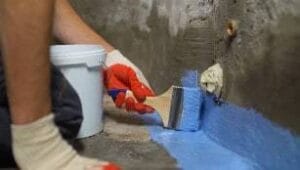
Cutting corners with waterproofing is a costly error. Water leaks can cause structural damage, mould, and ongoing repair bills. In Australia, waterproofing isn’t just good practice — it’s a legal requirement under the National Construction Code (NCC) and AS 3740 – Waterproofing of Domestic Wet Areas. The Guide to Standards and Tolerances 2015 also outlines the minimum waterproofing expectations that builders and contractors must meet.
In Victoria, waterproofing must be carried out by a licensed waterproofer registered under the Building and Plumbing Commission (formerly VBA). For jobs over $16,000, you’ll also need a written domestic building contract and Domestic Building Insurance (DBI). A licensed waterproofer will provide a Certificate of Compliance, which is critical for insurance, warranty, and resale.
How to avoid it:
Always hire licensed waterproofers — DIY or unqualified work can void warranties and leave you uninsured.
Ensure full compliance with AS 3740 and the NCC — this includes waterproofing entire shower floors and walls up to 1800mm, floors in upper-level bathrooms, and at least 100mm around baths and splash zones.
Ask for a Certificate of Compliance as proof the work has been done legally and to standard.
Test the waterproofing membrane before tiling to catch problems early.
👉 For more detail, see the Building and Plumbing Commission and the AS 3740 waterproofing standard overview.

4. Choosing Style Over Function
A bathroom must balance style and practicality. Oversized tubs, awkwardly placed fittings, or poor lighting can make a space look good but feel unusable. This is one of the most overlooked bathroom renovation mistakes, as many homeowners focus too heavily on aesthetics instead of usability.
How to avoid it:
Consider daily use before aesthetics.
Invest in functional fixtures and fittings.
Add layered lighting for both task and ambience.
5. Skimping on Storage – A Common Bathroom Renovation Mistake
A sleek bathroom loses appeal if cluttered. Many renovations overlook storage options, leaving toiletries piled up on benchtops.
How to avoid it:
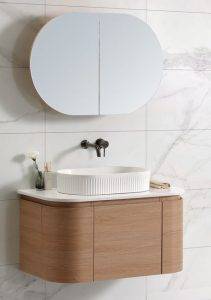
Include vanities, wall niches, or mirrored cabinets.
Use smart under-sink storage.
Plan shelving that complements your style.
Check out our wall-hung vanities for storage solutions that maximise floor space.
6. Not Ventilating Properly
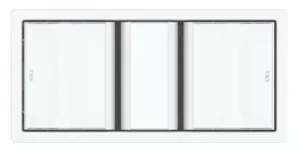
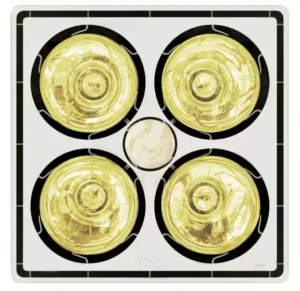
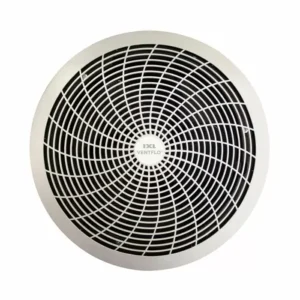
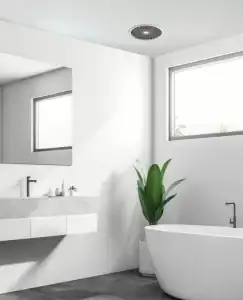
Bathrooms are prone to humidity and condensation. Without proper ventilation, mould and dampness set in quickly. Poor airflow is among the most damaging bathroom renovation mistakes, as it leads to hidden moisture problems that are expensive to fix. Building codes in Australia require proper airflow to ensure bathrooms remain safe, healthy, and free from long-term damage. Consider choosing a quality unit like the IXL Ventflo or Tastic Luminate range—known for reliable performance and Australian standards compliance.
How to avoid it:
Install an exhaust fan sized to your bathroom.
Ensure windows allow airflow.
Regularly maintain fans and vents.
7. DIY Plumbing and Electrical Work
Attempting plumbing or electrical work yourself might feel like a money-saver, but it is illegal and highly dangerous in Australia. Even minor DIY tasks can risk flooding, fire, or serious injury. On top of the safety hazards, insurance claims may be denied if unlicensed work is uncovered, and warranties can be voided.
How to avoid it:
Always engage licensed plumbers and electricians.
Verify their credentials online:
Plumbers – use the Building and Plumbing Commission (BPC) “Find a Practitioner” tool (formerly VBA). Only licensed plumbers can issue a Certificate of Compliance for plumbing work over $750.
Electricians – check the Energy Safe Victoria public register. They must provide a Certificate of Electrical Safety (COES) for all electrical work.
Ask for the correct compliance certificates once work is completed.
Budget for professional labour from the start — cutting corners here often leads to far more costly problems down the track.
This not only ensures you’re meeting legal requirements but also gives you peace of mind that the work will be completed to proper safety and quality standards.
8. Picking the Wrong Materials
Bathrooms are one of the harshest environments in the home — constant moisture, humidity, and daily use put every surface to the test. Choosing the wrong products, such as non-water-resistant cabinetry, low-grade paint, or floor tiles without proper safety ratings, can lead to warping, peeling, staining, or even slip hazards. Selecting unsuitable finishes remains one of the most costly bathroom renovation mistakes because it shortens the lifespan of your renovation. These mistakes don’t just compromise durability — they can also increase maintenance costs and create safety issues.
How to avoid it:
Always choose water-resistant materials designed for wet areas — moisture-resistant cabinetry, sealable grout, and paints formulated for high-humidity zones.
Select tiles rated for bathroom use. Floor tiles should comply with Australian slip resistance standards (classified with P-ratings, e.g. P3 or P4 for wet barefoot areas). This ensures safety while maintaining compliance with the National Construction Code.
Confirm tile ratings with your supplier before purchase. At Builders Warehouse Online, slip resistance ratings are available on request for all bathroom tile products — helping you select finishes that are both stylish and safe.
Opt for vanities with moisture-resistant finishes to prevent swelling, delamination, or mould growth over time.
By making informed choices, you’ll protect your investment and enjoy a bathroom that looks good, performs well, and meets safety standards.
9. Overcrowding the Space
Trying to fit too much into a small bathroom is a common mistake. A cramped design can feel uncomfortable and reduce usability. Overcrowding layouts is one of the most frequent bathroom renovation mistakes, especially in smaller homes.
How to avoid it:
Stick to essential fittings.
Use wall hung vanities and glass shower screens to open space.
Prioritise flow and movement over excess features.
10. Forgetting Long-Term Value in Bathroom Renovations
Many renovators design for the “now” without thinking about future buyers or family needs. A trendy bathroom may date quickly. Forgetting resale appeal is another of the common bathroom renovation mistakes that can reduce the overall value of your home.
How to avoid it:
Choose timeless finishes and neutral tones.
Invest in quality tapware and fittings.
Plan with resale and durability in mind.
👉 Discover our bathroom tapware range for designs that combine durability with style.
Final Thoughts
Avoiding these bathroom renovation mistakes is all about careful planning, working with licensed professionals, and choosing quality products. By steering clear of these common bathroom renovation mistakes, you’ll protect your investment and enjoy a bathroom that is both stylish and functional for years to come. By understanding the most common bathroom renovation mistakes and taking steps to prevent them, you’ll save money, improve functionality, and enjoy a bathroom that adds long-term value to your home.
At Builders Warehouse Online, we provide premium vanities, tapware, and accessories to help you achieve your dream bathroom—without the stress of common renovation pitfalls.